
Full Synthetic vs Semi-Synthetic: Which Should You Use
Comparing performance, cost, and longevity between oil types. Find out which option makes sense for your driving habits and vehicle age.

Author
Written by the kalvoridge editorial team, focused on practical, honest guidance for engine oil and filter maintenance across all vehicle types.
Choosing the right motor oil isn't as simple as grabbing whatever's on the shelf. The decision between full synthetic and semi-synthetic oil affects your engine's performance, your wallet, and how often you're changing oil. Let's break down what makes each type different so you can make a decision that fits your car and how you actually drive it.
The short version: full synthetic oils are engineered from scratch and perform better in extreme temperatures, while semi-synthetic blends offer a middle ground between conventional and full synthetic. Neither is objectively "better" — it depends on your vehicle, your driving style, and your budget.
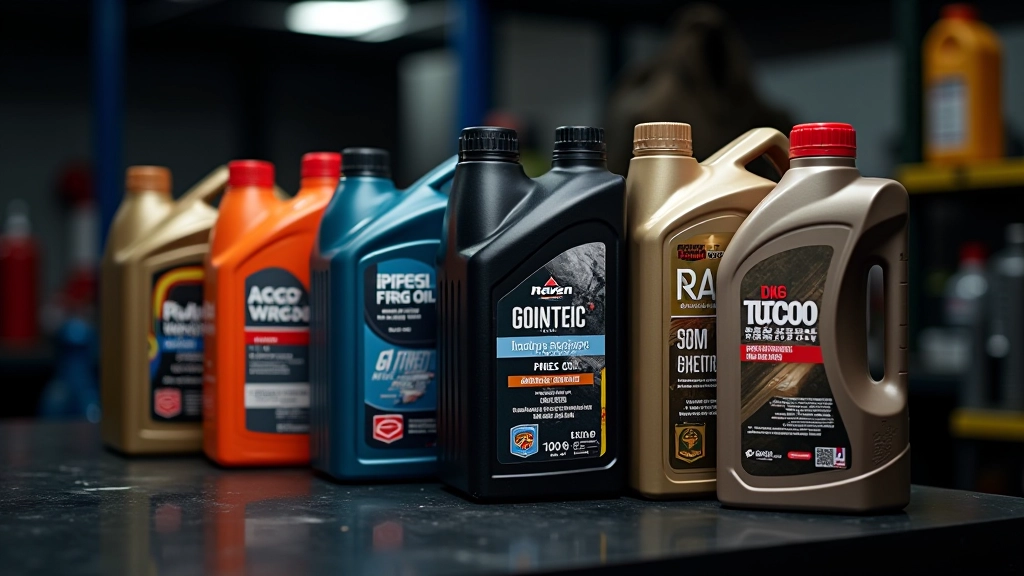
How They're Made Matters
Full synthetic oils are created through chemical synthesis — scientists literally build the molecular structure from the ground up. This means every molecule is uniform and designed for maximum protection. Semi-synthetic (or synthetic blend) is a mixture of conventional mineral oil and synthetic base oils, typically around 30-50% synthetic depending on the product.
This fundamental difference in how they're made translates into real performance differences. Full synthetics flow better in cold weather, resist breakdown at high temperatures longer, and generally last much further between oil changes. Semi-synthetics give you some of those benefits without the price tag.
Temperature Performance
Think about what happens to your oil when you're sitting in a parking lot on a winter morning. Conventional oils thicken up and don't flow well. Full synthetics stay fluid and reach your engine's parts faster, reducing wear during cold starts. In summer driving or heavy traffic, full synthetics resist thinning out at high engine temperatures better than semi-synthetic options.


Cost and Change Intervals
Here's where the real difference shows up. Full synthetic oils cost more per quart — sometimes significantly more. But they last longer, which means you're changing your oil less frequently. Most manufacturers recommend 7,500 to 10,000 miles between changes with semi-synthetic, while full synthetic often goes 10,000 to 15,000 miles depending on your vehicle.
Over the life of your car, you might actually spend less on full synthetic even though it costs more upfront. You're buying fewer oil changes. Semi-synthetic is the middle path — it costs more than conventional but less than full synthetic, and it extends your change intervals compared to mineral oil.
Check your owner's manual for what the manufacturer recommends. Some newer cars actually require full synthetic, while older vehicles run fine on semi-synthetic or conventional.
Which One Should You Use
Your decision comes down to three things: your vehicle's age, how you drive, and your budget.
Newer Vehicles (2010+)
If your car's manual specifies full synthetic, don't compromise. Modern engines with tighter tolerances need the superior flow and protection. You're not wasting money — you're keeping your warranty valid and protecting an expensive engine.
Heavy Driving
Towing, frequent highway miles, or regular hot weather driving? Full synthetic handles the stress better. It's designed to protect your engine under extreme conditions. Semi-synthetic is fine for moderate use, but heavy use justifies the upgrade.
Budget Conscious
Semi-synthetic is a solid middle ground. It's a reasonable step up from conventional without the full synthetic price. For typical commuting in a vehicle that doesn't demand it, semi-synthetic does the job well.
Older Vehicles
Check your manual, but older cars often don't need full synthetic. Semi-synthetic or even conventional mineral oil might be the recommended choice. Switching to something your engine wasn't designed for doesn't help.
Don't overthink this. Read what your manufacturer says, consider your driving situation, and pick accordingly. Switching between semi-synthetic and full synthetic isn't damaging — they're compatible. What matters is choosing one and sticking with it.
Informational Purpose
This article provides general information about motor oil types for educational purposes. Always consult your vehicle's owner's manual for the manufacturer's specific oil recommendations and change intervals. Individual circumstances vary, and professional guidance from a qualified mechanic is recommended for your particular vehicle and driving situation.
More Articles on Engine Oil
How to Choose the Right Oil Viscosity for Your Car
Understanding oil grades like 5W-30 and 10W-40. We break down what those numbers mean and why they matter for your engine.
Step-by-Step Oil Filter Replacement Guide
Changing your oil filter doesn't have to be complicated. This guide walks you through the process with clear steps.

Understanding Your Vehicle's Oil Change Interval
How to read your owner's manual and determine the right timing for your oil changes based on your driving habits.